ACbuy Telegram Group for Prada Fall/Winter Collection Discounts


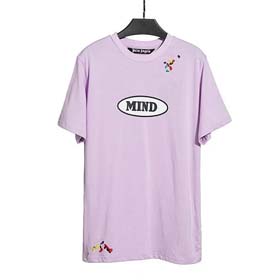
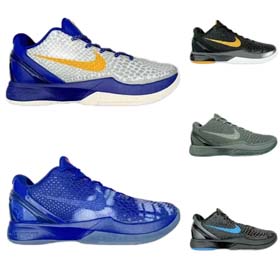
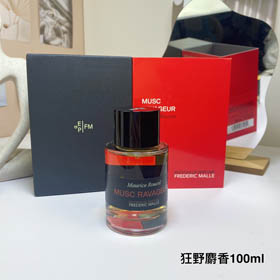
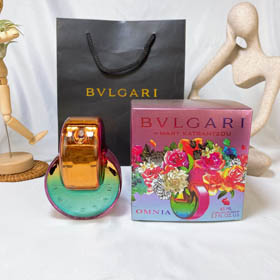



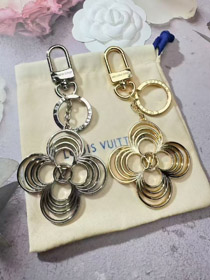

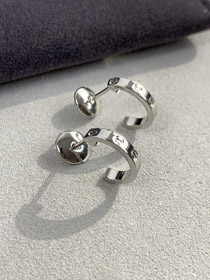
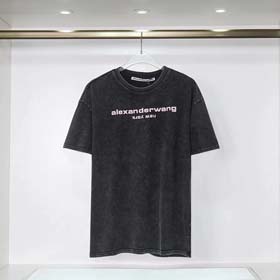
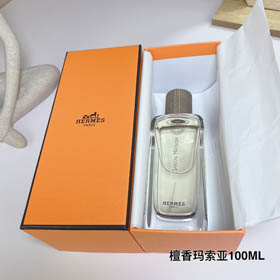


Staying ahead in the fashion game is all about having the right information at your fingertips. The ACbuy Telegram group serves as a rapid conduit for fashion enthusiasts to stay updated on the latest trends and deals. By joining this exclusive group, members gain access to the ACbuy spreadsheet, which is a comprehensive guide to the discounts available on Prada's Fall/Winter collection.
The ACbuy spreadsheet is not just a list; it's a treasure trove of insider information. It reveals the extent of the discounts, the exact dates of the sales events, and the specific styles that will be included in the promotions. Moreover, it provides details on how to obtain exclusive discount codes, giving members a competitive edge in securing the best deals.
Fashion aficionados can use this spreadsheet to plan their shopping lists well in advance. When the sales event commences, they can rely on the spreadsheet's guidance to quickly navigate the ACbuy platform and place their orders at the onset, ensuring they secure the Prada Fall/Winter collection items at the most favorable prices.
By keeping abreast of the latest fashion releases and discounts through the ACbuy Telegram group and spreadsheet, members can confidently step into the new season with their wardrobes reflecting the latest styles and trends. It's a smart way to shop for Prada's Fall/Winter collection without missing out on any of the savings.
For more information and to join the ACbuy Telegram group, visit ACbuy.site. Stay connected, stay stylish, and stay ahead with ACbuy.